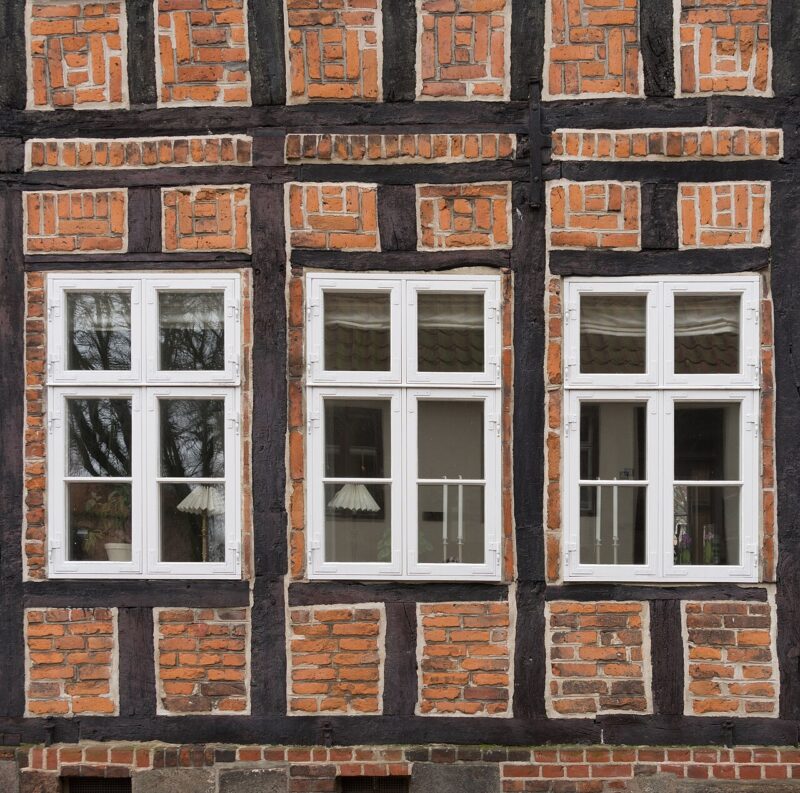
On a Capitol Hill block near Lincoln Park last fall, I watched a crew grind the mortar out of an 1890s brick rowhouse with an angle grinder and no jig, chewing the edges of the soft historic brick as they went. The owner thought she’d found a bargain. What she’d actually bought was damage that will cost more to fix than the repointing did.
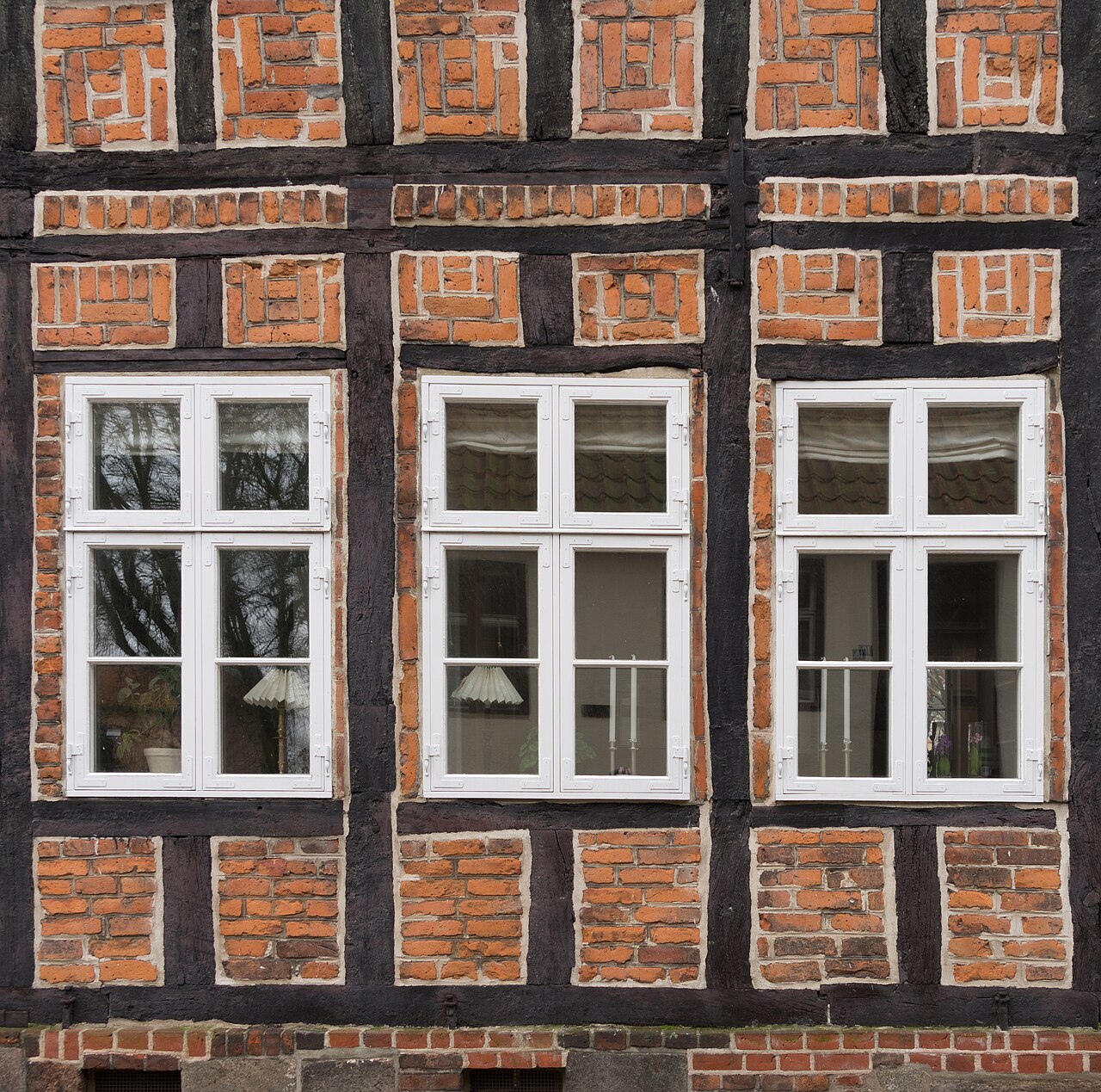
I do stone and hardscape work, not full facade restoration, but I’ve stood on enough Capitol Hill scaffolds to know how this goes right and how it goes wrong. Repointing an old rowhouse is one of those jobs where the cheap version is genuinely worse than doing nothing. Here’s what the work involves, what the rules require, and what it should cost.
What repointing is, and when a rowhouse needs it
Repointing means raking the failed mortar out of the joints to a sound depth, usually about an inch, and packing in fresh mortar. You need it when the joints have receded, the mortar crumbles to sand under a key, or water is finding its way in through open seams. On Capitol Hill’s 100-plus-year-old brick, that day comes for every house eventually, because the original lime mortar was designed to wear before the brick does. Recognizing worn mortar early is the whole game; I cover the warning signs in a separate piece, but the short version is that soft, receding, or missing joints mean it’s time.
The preservation rules on Capitol Hill
Capitol Hill is a designated historic district, so exterior masonry work on a contributing building generally needs a permit and historic review before you start. The single best reference for doing it correctly is the National Park Service Preservation Brief on repointing, which sets the standard the review boards lean on. I’d read the NPS Preservation Briefs before you interview a single contractor, because it will tell you what good work looks like and let you spot a crew that’s about to cut corners. Reviewers care about mortar composition, joint profile, and how the old mortar is removed, and grinding wide joints with a power wheel is exactly the kind of thing that gets flagged.
Why the mortar matters more than anything
Hundred-year-old rowhouse brick was laid in soft, breathable lime mortar. Modern Portland-based mortar is far harder, and when it’s packed into an old wall it traps moisture and forces the expansion stress into the brick faces instead of the joints, spalling the brick over a few freeze-thaw cycles. Matching the original in strength, composition, color, and joint profile is the entire craft here, and it’s worth understanding how mortar is matched on century-old brick before you approve a mix. For a contributing rowhouse, I’d only hand this to a DC masonry contractor who can show you lime-mortar repointing they’ve completed and photos the review board actually approved.
What historic repointing costs
Hand-repointing historic brick on Capitol Hill commonly runs $12 to $30 per square foot of wall, with the front facade of a typical rowhouse landing somewhere between $8,000 and $20,000 depending on height, condition, and access. Custom mortar analysis and color matching adds roughly $300 to $1,000. Historic review and permit fees are extra, and the approval can add four to eight weeks before work begins. A power-grinder crew will quote well under those numbers, and that gap is the sound of your brick being damaged; salvaged replacement brick alone can run $15 to $40 apiece once the edges are chewed up.
Getting the sequence right
Do the paperwork first. Get the mortar matched, get the review approval, then let a careful crew rake by hand or with a proper joint-width blade and jig. Repointing done right on a Capitol Hill rowhouse should last 50 to 100 years. Done wrong, you’ll be paying to undo it inside a decade.
Frequently asked questions
Do I need approval to repoint a Capitol Hill rowhouse? Usually yes. On a contributing building in the historic district, exterior repointing typically requires a permit and historic review covering the mortar and the method. Confirm before you start, because unapproved work can be ordered redone.
Why can’t the contractor just use standard bagged mortar? Standard bagged mortar is high in Portland cement, which is harder than old brick. On a soft historic wall it traps moisture and spalls the brick faces over a few winters. Historic brick needs a softer, lime-based mortar matched to the original.
How do I know if a low bid is too cheap? If the price is far below $12 per square foot and the crew plans to grind joints with a wheel and use off-the-shelf mortar, that’s a warning sign. Proper hand-repointing with matched lime mortar simply costs more, and it protects the wall instead of harming it.