A damp basement is the most common complaint I hear from homeowners around here, and Downtown Appleton is full of older homes with block and stone foundations that were never properly waterproofed. People want to fix it with a coat of paint on the inside. I understand the appeal, it is cheap and you can do it yourself, but I have to tell them the truth: waterproofing a basement wall from the inside alone almost never solves a real water problem. You have to understand where the water is coming from first.
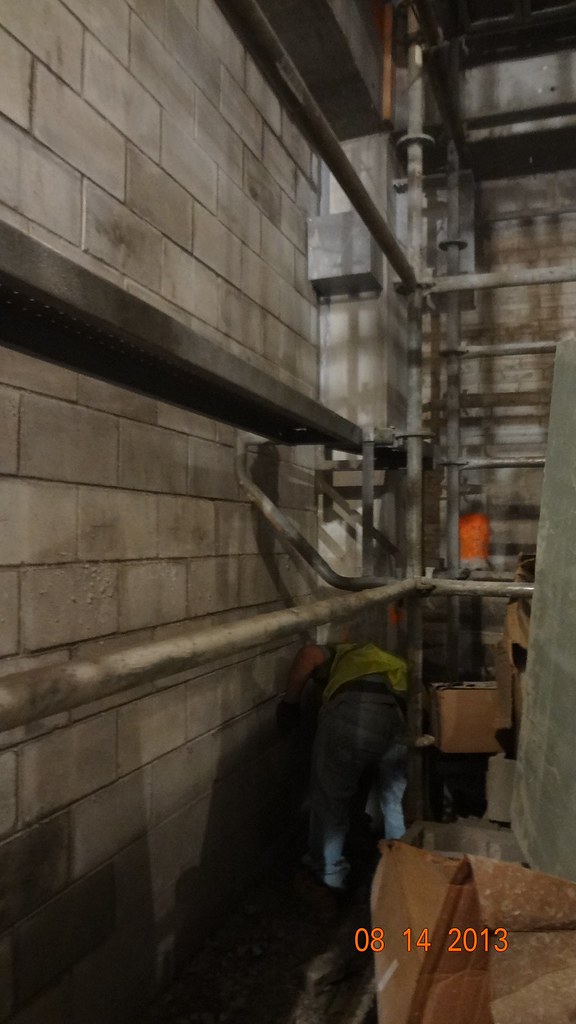
Water from outside versus condensation
Before anything else, figure out which problem you have. Tape a square of plastic sheet tightly to the wall and leave it a few days. If moisture forms on the room side of the plastic, you have condensation, humid air hitting a cool wall, and the fix is dehumidification and air sealing. If moisture forms behind the plastic, against the masonry, water is coming through the wall from outside, and that is a different, bigger job. People spend money on the wrong fix constantly because they never ran this test.
Start outside, where the water starts
For water coming through the wall, the cheapest and most effective fixes are outside the house, not in the basement:
- Gutters and downspouts. Clean them and extend downspouts well away from the foundation. A shocking share of wet basements are just a downspout dumping against the wall.
- Grading. The soil should slope away from the house. Flat or reverse grading sends water straight down the foundation.
- Drainage. Chronic cases need exterior excavation, a waterproof membrane, and footing drains, the real cure, and the expensive one.
These outside fixes solve more basement moisture than any interior product, and they are worth doing first.
What interior treatments can and can’t do
Interior masonry waterproofing coatings have a place, on a wall with light seepage or as part of managing minor moisture, but they are not a cure for water under pressure. Coat a block wall that has hydrostatic water behind it and the coating eventually blisters and fails, and you have masked the problem while it keeps working on the wall. Understanding how the block itself moves moisture, which I cover in understanding concrete block (CMU) construction, explains why a surface coat is not enough on its own.
The interior systems that do work
For persistent water, the interior solution that actually performs is a drainage system, an interior perimeter drain feeding a sump pump, which manages water rather than trying to block it. It is more invasive than paint but far more reliable. General moisture-control and basement guidance for homeowners is available through the Department of Energy at Energy Saver. Budget a few hundred dollars for exterior fixes and interior coatings, versus several thousand for exterior excavation or an interior drainage-and-sump system. Spend the cheap money outside first; it often solves the problem before you touch the basement.
Do the free things before you spend a dollar
Before anyone quotes you an interior drainage system or an excavation, work through the fixes that cost nothing but time, because they solve a real share of wet basements outright. Clean the gutters so they actually carry water instead of overflowing against the wall. Add or extend downspout extensions so roof water discharges several feet from the foundation, not right beside it. Walk the perimeter after a rain and note where water pools or where the ground slopes toward the house, then build up soil to slope away. Trim back garden beds and irrigation that keep the foundation soil saturated. In a lot of the older Appleton homes I look at, a single overflowing gutter or a downspout dumping at the corner is the whole problem, and the basement dries out once it is fixed. Only after you have ruled out the free, outside causes does it make sense to spend on interior systems, because those manage water that the cheap fixes could not stop.
Frequently asked questions
Does waterproofing paint stop a wet basement? Rarely on its own. Interior coatings help with light seepage and condensation but cannot hold back water under pressure, they blister and fail. Real water intrusion is solved outside the house with gutters, grading, and drainage, or with an interior perimeter drain and sump system.
How do I tell if my basement moisture is condensation or a leak? Tape a square of plastic to the wall for a few days. Moisture on the room side means condensation (fix with dehumidification and air sealing); moisture behind the plastic against the masonry means water is coming through the wall from outside.
What is the most effective way to waterproof a basement? Start with the cheap outside fixes, clean gutters, downspout extensions, and grading soil away from the foundation, which solve many cases. For persistent water, the reliable options are exterior excavation with a membrane and footing drains, or an interior perimeter drain feeding a sump pump. On older housing stock the outside fixes often run into a shared lot line first — a Staten Island masonry contractor deals with that constraint on most row-home basements.