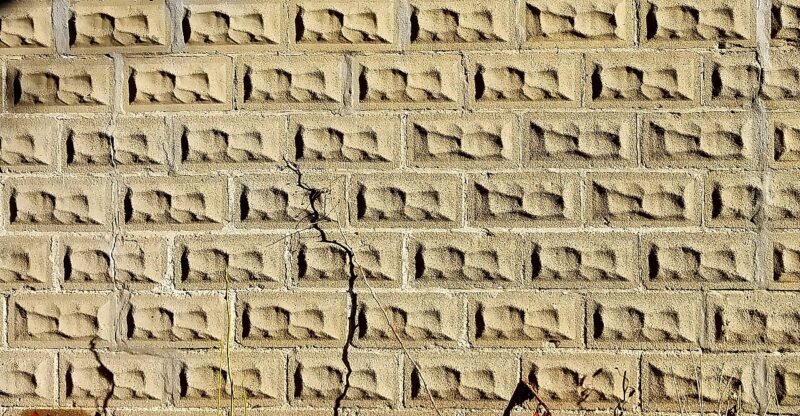
Drive through Avondale and you’ll see a lot of homes sitting on concrete block, and there’s a good reason for it. Living this close to the St. Johns River and the coast, the two things that eat houses here are moisture and termites — and concrete masonry units, or CMU, shrug off both better than wood framing does. I spent an afternoon with a homeowner near Boone Park who’d been scared off block by a rough inspection report, and once we walked the crawlspace it was clear the block wasn’t the problem. The way it had been detailed for a coastal site was.
Why block makes sense on the coast
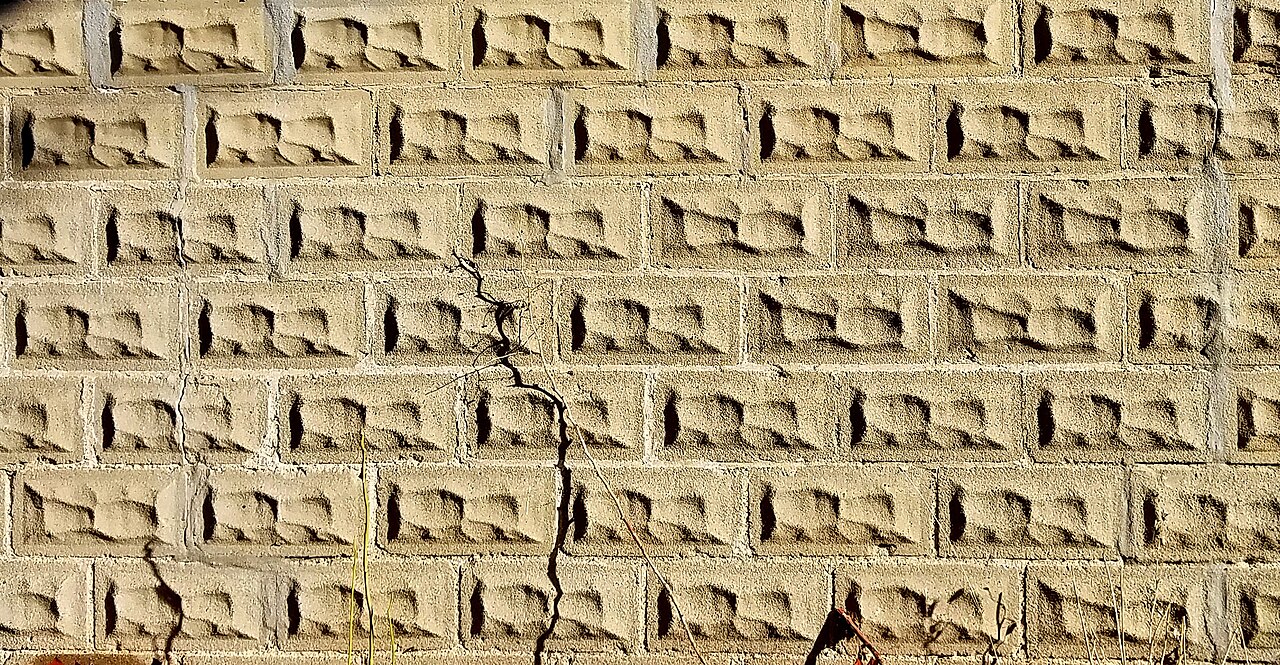
CMU foundations and stem walls are the norm across coastal Jacksonville for practical reasons. Concrete doesn’t rot, termites can’t eat it, and a properly grouted, reinforced block wall handles the lateral loads that come with our high water table and the occasional storm surge. In a flood-prone zone, a masonry stem wall that lifts the living floor above base flood elevation is often exactly what the Florida Building Code wants to see.
The detail that decides everything: the rebar
Here’s what most people miss. A block foundation on the coast lives or dies by how its steel is protected. Salt air drives chloride into concrete, and chloride corrodes reinforcing steel. When rebar rusts it swells, and that expansion cracks the block from the inside — the same way freeze-thaw wrecks brick up north, except our version runs year-round. Good coastal detailing means:
- Full grouting of the reinforced cells, not partial, so the steel is fully encased.
- Adequate cover — enough concrete between the steel and the outside face.
- Sealed, drained below-grade faces so standing water isn’t sitting against the block.
The National Concrete Masonry Association’s technical guidance on reinforced concrete masonry is the standard this work is built to, and it’s worth understanding before you accept a bid.
This is also why I steer people away from the cheapest foundation number. Coastal detailing is invisible once the wall is up, so it’s the easiest place to cut. I tell homeowners to have a Jacksonville masonry company put the grout, rebar size, and spacing in writing, and to keep those specs with the house records. If you want the fundamentals first, here’s a plain-English guide to concrete block construction.
Moisture is the slow killer
Even with the steel handled, humidity is relentless here. Block is porous, and a wall that stays damp grows efflorescence — the white powder you see leaching out — and eventually mold on interior finishes. Coastal foundations need a capillary break, exterior dampproofing below grade, and real drainage: gutters that carry water away, grade that slopes off the house, and no planting beds trapping moisture against the wall. Sandy soil drains fast, which helps, but a high water table can undo that in the rainy season.
What it costs
A new CMU foundation or stem wall in the Jacksonville area generally runs $12 to $25 per square foot of wall, with reinforced, fully grouted coastal walls at the upper end. Repairs vary widely: sealing and drainage corrections might be $2,000 to $6,000, while addressing corroded rebar and cracked block can climb past $10,000 once you’re rebuilding sections. As always, the cheap number usually skips the coastal detailing that makes the wall last.
Termites, moisture, and the coastal reality
Two coastal Jacksonville realities make block a sensible foundation choice, and both are worth understanding. First, concrete block does not feed termites the way wood framing does, a real advantage in a subtropical climate where termite pressure is relentless year-round, though the framing that sits on the block still needs protection. Second, the same porosity that lets block wick moisture means a coastal block foundation lives or dies by its coatings and drainage: a proper waterproof coating on the exterior below grade, flashing where the wall meets the framing, and grading that carries our heavy summer rain away from the base. Get those right and a block foundation shrugs off the humidity, salt air, and storm water that define building here. Skip them and the block will pull moisture straight through, so treat the waterproofing as part of the structure, not an afterthought.
Frequently asked questions
Is concrete block a good foundation for coastal Florida? Yes. CMU resists rot, termites, and moisture better than wood, and a reinforced, grouted block stem wall suits flood-prone coastal sites. The catch is that the reinforcing steel must be properly grouted and protected from salt-driven corrosion.
What makes coastal block foundations fail? Usually corroded rebar. Salt air drives chloride into the concrete, the steel rusts and swells, and the block cracks from within. Poor drainage and trapped moisture accelerate it.
How much does a CMU foundation cost in Jacksonville? Roughly $12 to $25 per square foot of wall for new work, with fully grouted coastal-rated walls at the top of that range. Moisture and drainage repairs often run $2,000 to $6,000; structural rebar repairs can exceed $10,000.