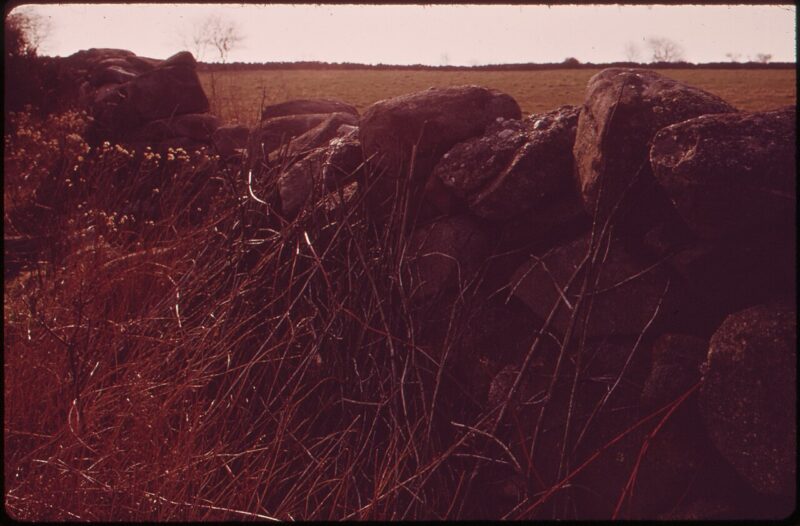
Stone veneer over concrete block is one of the most common upgrades I coordinate, and one of the most commonly botched. A client in Dupont Circle wanted a plain block garden wall dressed in stone, and the first bid we got skipped the two details that make or break the job. Done right, veneer over block lasts for decades. Done wrong, it holds water against the wall and starts shedding stone in a few years. The stonework people admire is the easy part; the wall behind it is where the job is won or lost.
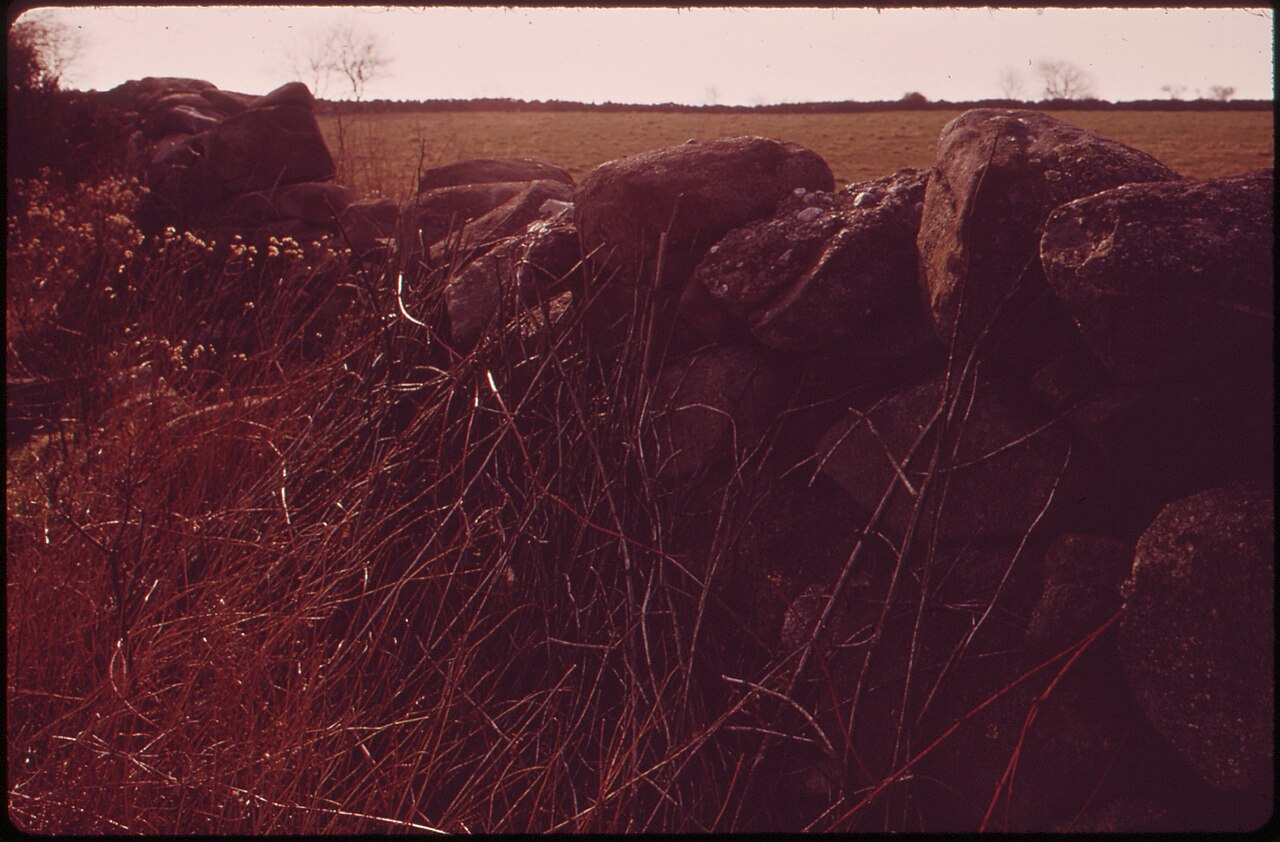
Full-bed versus thin veneer
First decision: full-bed stone (roughly three to five inches thick, needing a supporting ledge or footing) or thin veneer (about one inch, adhered to the wall without a separate footing). Thin veneer is far more common on retrofits over existing block because it adds little weight and needs no new foundation. Full-bed gives a deeper, more authentic look but has to be planned into the structure from the start. For most homeowners dressing an existing block wall, thin veneer is the practical choice.
The two details that actually matter
Over a block wall, especially any wall exposed to weather, the assembly behind the stone is what keeps it alive:
- A moisture barrier and drainage plane. Water will get behind veneer; the assembly has to let it drain and dry rather than trapping it against the block. On exterior walls this means a weather-resistive barrier and, often, a drainage mat.
- A proper scratch coat and bonding. Thin veneer is set in mortar over a prepared, often lath-and-scratch-coat surface so it actually bonds. Slapping stone onto bare, dusty block is the number one failure I see.
Because the block itself has to be sound first, this job assumes you understand what is behind it, which is why I recommend reading understanding concrete block (CMU) construction before you start.
Prep, then stone
The sequence on a typical exterior thin-veneer job runs: confirm the block is sound and clean, install the weather barrier and metal lath where required, apply a scratch coat and let it cure, then set the stone in mortar working bottom to top, and finally grout or point the joints (or leave a dry-stack look if the stone is designed for it). Rushing the cure or skipping the barrier is what causes callbacks.
What it costs and how to hire
Installed thin stone veneer commonly runs $20 to $45 per square foot depending on the stone and the wall prep required; full-bed runs higher because of the structural support. Manufactured and natural veneer installation standards are published by the Concrete Masonry and Hardscapes Association. When you hire, ask specifically how the contractor handles the moisture barrier and bonding, if they only want to talk about the stone pattern, keep looking.
Interior walls and the fireplace exception
Everything I said about moisture barriers applies to exterior walls, but a lot of veneer-over-block work happens indoors, on a basement feature wall or a fireplace surround, and the rules shift. On a dry interior wall not exposed to weather, you can skip the weather-resistive barrier, but you still need a sound, clean, properly prepared bonding surface, so the scratch coat or a proper adhesive system still matters. The fireplace is the one place I get strict again: any stone within the code-required clearance of a firebox has to handle heat, which means non-combustible materials and, for the firebox itself, firebrick and refractory mortar rather than decorative veneer. I have seen thin manufactured veneer set too close to a firebox discolor and let go over a couple of heating seasons. So indoors, relax about the drainage plane but not about the bond, and around any heat source, treat the clearances and materials as non-negotiable. When in doubt on a fireplace, check the appliance’s listed clearances and your local code before you set a single stone.
Frequently asked questions
Can you put stone veneer directly on a concrete block wall? Not directly onto bare block for a durable job. The block must be clean and sound, and an exterior wall needs a weather-resistive barrier and a proper bonding surface (often lath and a scratch coat) before the stone is set in mortar. Skipping that is the main cause of veneer failure.
What is the difference between thin veneer and full-bed stone? Thin veneer is about an inch thick, lightweight, and adhered without a separate footing, ideal for retrofitting over existing block. Full-bed stone is three to five inches thick, heavier, and needs structural support like a ledge or footing. Most retrofit projects use thin veneer.
Does stone veneer hold moisture against the wall? It can if the assembly is wrong. Water always gets behind veneer, so a correct installation includes a drainage plane and moisture barrier that let the wall drain and dry. A veneer applied without that traps moisture against the block and eventually fails. On commercial elevations that assembly gets washed on a schedule, and an industrial cleaning contractor in Atlanta works to a spec that keeps water out of the drainage plane.