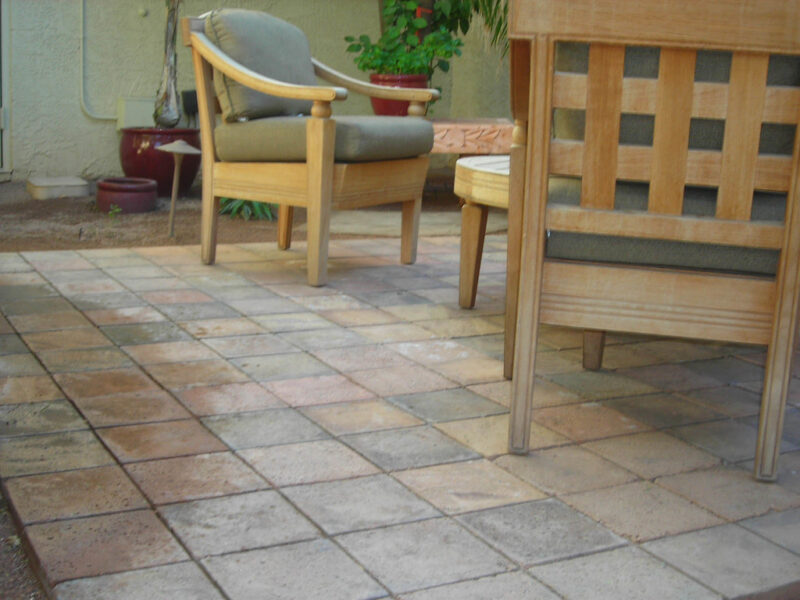
A paver patio is one of the few masonry surfaces homeowners can genuinely maintain themselves, and one of the few they routinely wreck by overdoing it. Down here in Mandarin, on Jacksonville’s south side, the combination of heat, humidity, and afternoon downpours means patios grow weeds and algae fast, and I get a lot of calls from people who sealed theirs and ended up with a cloudy, slippery mess. Maintenance is simple if you understand what the joints are actually doing.
The joint sand does the real work
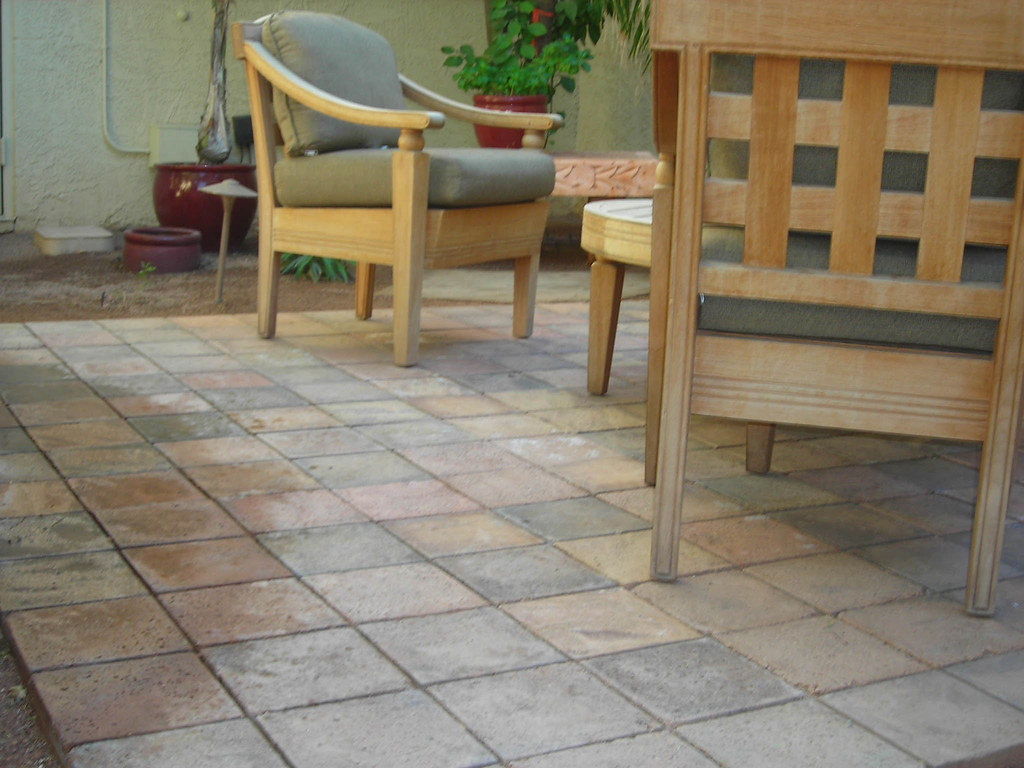
A paver patio is not held together by the pavers; it is held together by what is between them. Interlock comes from the sand packed in the joints, which lets the field of pavers move as a unit and share load. When that joint sand washes out, the pavers loosen, shift, and start to rock. So the single most important maintenance task is keeping the joints full, and in a rainy climate like Jacksonville’s that means checking them at least once a year.
Polymeric sand versus regular sand
Most patios today use polymeric sand, which contains a binder that hardens when wetted, locking the joints and resisting washout and weeds far better than plain sand. When joints look low, sweep in fresh polymeric sand, compact, and activate it with a light mist exactly as the product directs. The most common mistake I see is overwatering during activation, which floods the binder out onto the paver faces and leaves a haze. Follow the wetting steps precisely.
Cleaning without wrecking the surface
For routine cleaning:
- Pull or spot-treat weeds early before roots widen the joints
- Wash with mild soap and water or a dedicated paver cleaner for algae and grime
- Keep pressure washers on a low, fanned setting and off the joints, high pressure blasts the sand right out
If the patio has already sunk or heaved in spots, cleaning will not fix the underlying base, and you are into the releveling work I cover in fixing a sunken or uneven paver patio.
To seal or not to seal
Sealing a paver patio is optional and, unlike vertical brick, can be appropriate here because pavers are dense and the sealer helps lock joint sand and resist stains. But a film-forming “wet look” sealer on a humid, shaded patio can trap moisture and turn slippery or cloudy. If you seal, choose a breathable penetrating product, make sure the pavers are fully dry first, which is a real challenge in Jacksonville humidity, and reapply every few years. Hardscape maintenance and joint guidance is published by the Concrete Masonry and Hardscapes Association. Expect to spend $0.50 to $2 per square foot on sealing materials if you do it yourself, more if a pro handles prep and application.
A simple seasonal routine for a humid climate
Down here the patios that stay nice are the ones with an owner who does a little and often, rather than nothing for three years and then a panic. The routine I hand my Jacksonville clients is short. In spring, before the heat and the afternoon storms set in, walk the patio and top up any low joints with fresh polymeric sand, then give the surface a gentle wash to knock back the winter’s algae. Through the summer, pull weeds the week you see them, because a Florida weed left a month has roots widening the joint. After the wettest part of the season, check the low spots for any pavers that have started to rock, an early sign the base is moving. And once every few years, if you seal, reapply the breathable repellent on a stretch of dry days. None of it is hard, and it is a fraction of what a full reset costs once the joints wash out and the field goes loose.
Frequently asked questions
Do I need to seal my paver patio? No, sealing is optional. Pavers perform fine unsealed. Sealing can help lock joint sand and resist stains, but in humid or shaded conditions a film-forming sealer can trap moisture and get slippery. If you seal, use a breathable penetrating product on fully dry pavers.
How do I keep weeds out of paver joints? Keep the joints full of polymeric sand, which resists weed growth, and pull or spot-treat any weeds early before their roots widen the joints. Weeds in pavers usually signal that joint sand has washed out and needs topping up.
Can I pressure wash a paver patio? Yes, but carefully. Use a low, fanned setting and avoid aiming directly into the joints, because high pressure blasts out the sand that holds the patio together. After any thorough wash, plan to refill and recompact the joint sand. The same restraint applies to anything wooden nearby — a Brooklyn millwork shop will tell you a pressure washer takes the surface off exterior trim long before it cleans it.