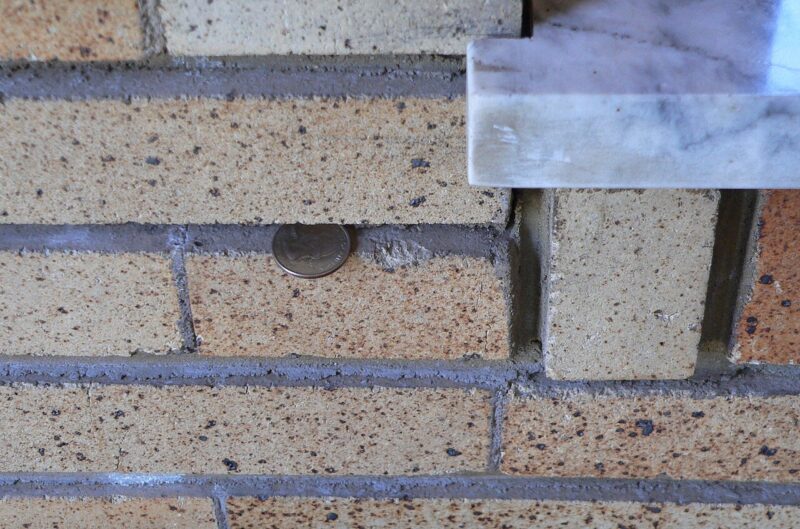
Last spring a guy in Fishtown flagged me down while I was loading the truck two doors up. He’d been poking at the mortar joints on his rowhome with a screwdriver and it was coming out like brown sugar. “Is that bad?” he asked. I gave him the honest answer: when the joint gives up before the brick does, that’s the mortar doing its job, and now it’s your turn to do yours. I’ve been laying and repointing brick for over thirty years, a good chunk of it on Philadelphia rowhomes, and repointing is the single most common repair I get called for around here.
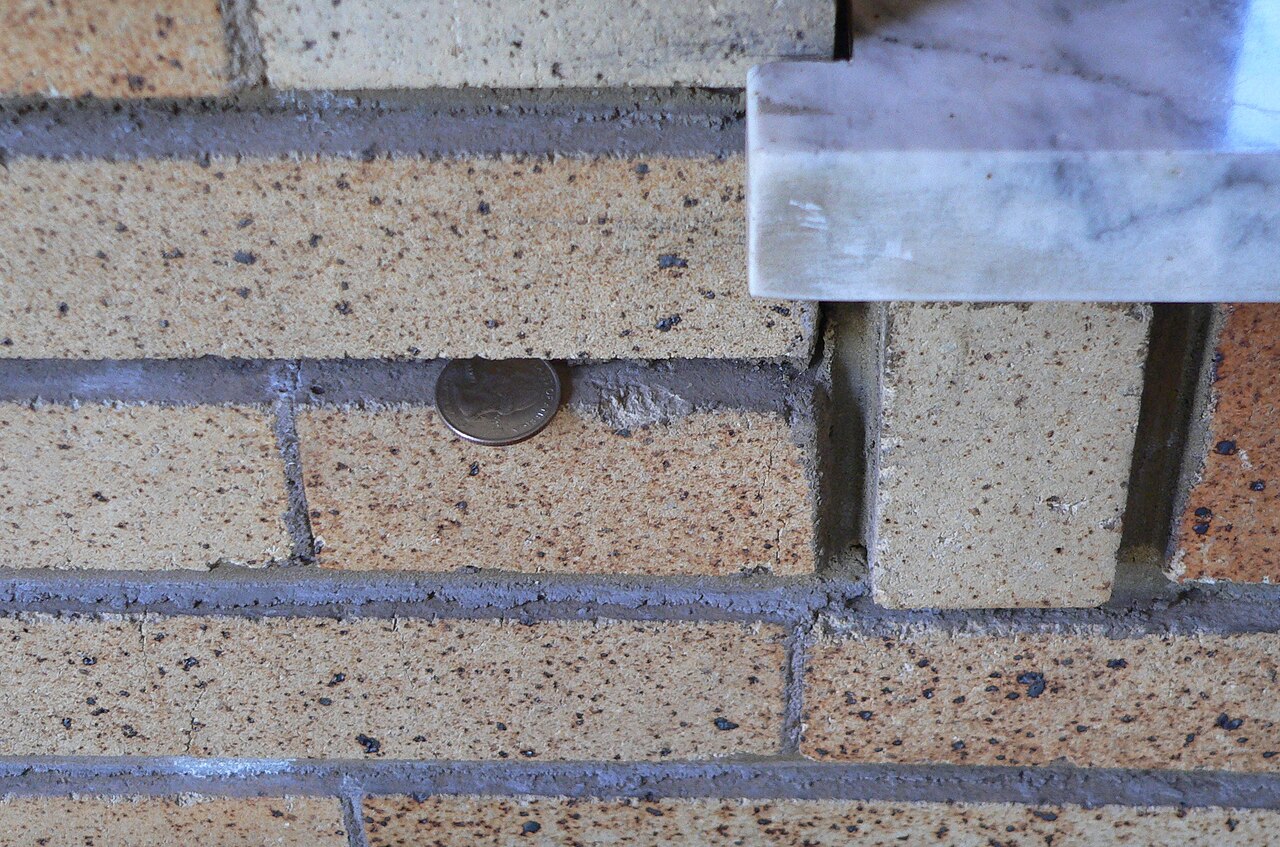
Repointing means grinding or raking out the old failed mortar and packing in fresh. It’s not glamorous work, but on a brick rowhome it’s the difference between a wall that lasts another eighty years and one that lets water in behind the brick. And in this city, water behind the brick means freeze-thaw, and freeze-thaw means spalled faces and blown-out joints by March.
What repointing actually costs in Philadelphia
For 2026, on a typical Fishtown or Kensington rowhome, I tell people to budget $12 to $28 per square foot of wall face for proper repointing. A single front facade, say the second and third floors above the cornice line, often lands in the $3,000 to $9,000 range. A full front, or a front plus a chimney and parapet, can run $8,000 to $18,000 once you factor in scaffolding. These are estimates, not quotes. The only honest number comes after someone stands on the wall and reads it.
What drives the number up or down
- Access. Rowhomes share walls, so I almost never work a three-story front off ladders. That means pump jacks or pipe scaffold, and sometimes a street-closure permit from L&I if I’m hanging over the sidewalk.
- How much has failed. Spot-pointing a few soft joints is cheap. Cutting out one hundred percent of the joints on a weathered south face is a different animal.
- Matching the mortar. Older Philly brick is soft, and it was laid in lime mortar. Repointing it with hard modern Portland mortar traps moisture and cracks the brick faces. I’ve torn out plenty of well-meaning “repairs” that did exactly that.
- Historic districts. Parts of Society Hill and Old City carry review requirements, and that changes both the schedule and the mortar spec.
If you’re not sure whether your joints are actually shot or just dirty, learn how to tell when mortar has failed before you spend a dime. Half the “emergencies” I get called to look at are cosmetic.
Why the mortar mix matters more than the price
This is the part cheap crews get wrong. A century-old rowhome brick wants a soft, lime-based mortar that flexes and breathes. Slap a bag of high-strength Portland on it because it’s fast and cheap, and the mortar becomes harder than the brick. So when the wall moves, the brick spalls instead of the joint. The National Park Service lays this out plainly in its preservation briefs on repointing historic masonry, and every good mason in this town follows the same logic whether the house is “historic” on paper or not. When you’re vetting a crew for Philadelphia masonry, ask what mortar type they’ll use and why. If they can’t answer, keep walking.
Getting it done right in a Philly winter
You cannot repoint in the cold. Fresh mortar needs to cure above about 40 degrees Fahrenheit, and if it freezes green it never gains strength. I won’t schedule exterior pointing here from roughly December through February unless we tent and heat the wall, and that costs more. The best window in Philadelphia runs April through early November. Book spring work in January or February, because the good crews fill up fast.
One more thing from thirty years of this: repointing buys you decades, but only if the rest of the wall stays dry. Check your gutters, your coping, and the flashing where the parapet meets the roof. I’ve repointed beautiful walls that failed again in five years because nobody fixed the busted downspout dumping water down the brick.
Frequently asked questions
How long does repointing last? Done right with the correct lime-based mortar, repointing on a Philadelphia rowhome should last 50 to 100 years. Done with the wrong hard mortar, you can see failure again in 5 to 10.
Do I need a permit to repoint my rowhome? Like-for-like repointing usually doesn’t require a building permit in Philadelphia, but scaffolding over the sidewalk or work in a historic district can trigger L&I or historical review, so check before you start.
Can I just repoint the front and skip the rest? Yes, and most people do. The weather-facing front and any chimney or parapet take the worst beating, while rear and party walls can often wait as long as they aren’t actively leaking.