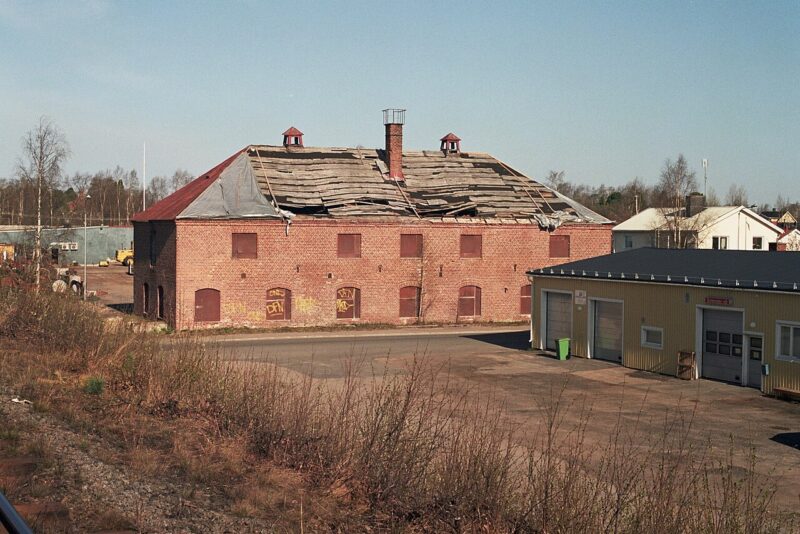
My house in Decatur was built in the 1920s, and its brick had survived a full century by the time I bought it. So I was surprised, three summers in, to find the south-facing wall shedding thin flakes of brick face onto the flower bed. A neighbor’s much newer brick was doing the same thing. The bricks weren’t defective. They were living in Georgia, and Georgia is harder on masonry than its mild reputation suggests.
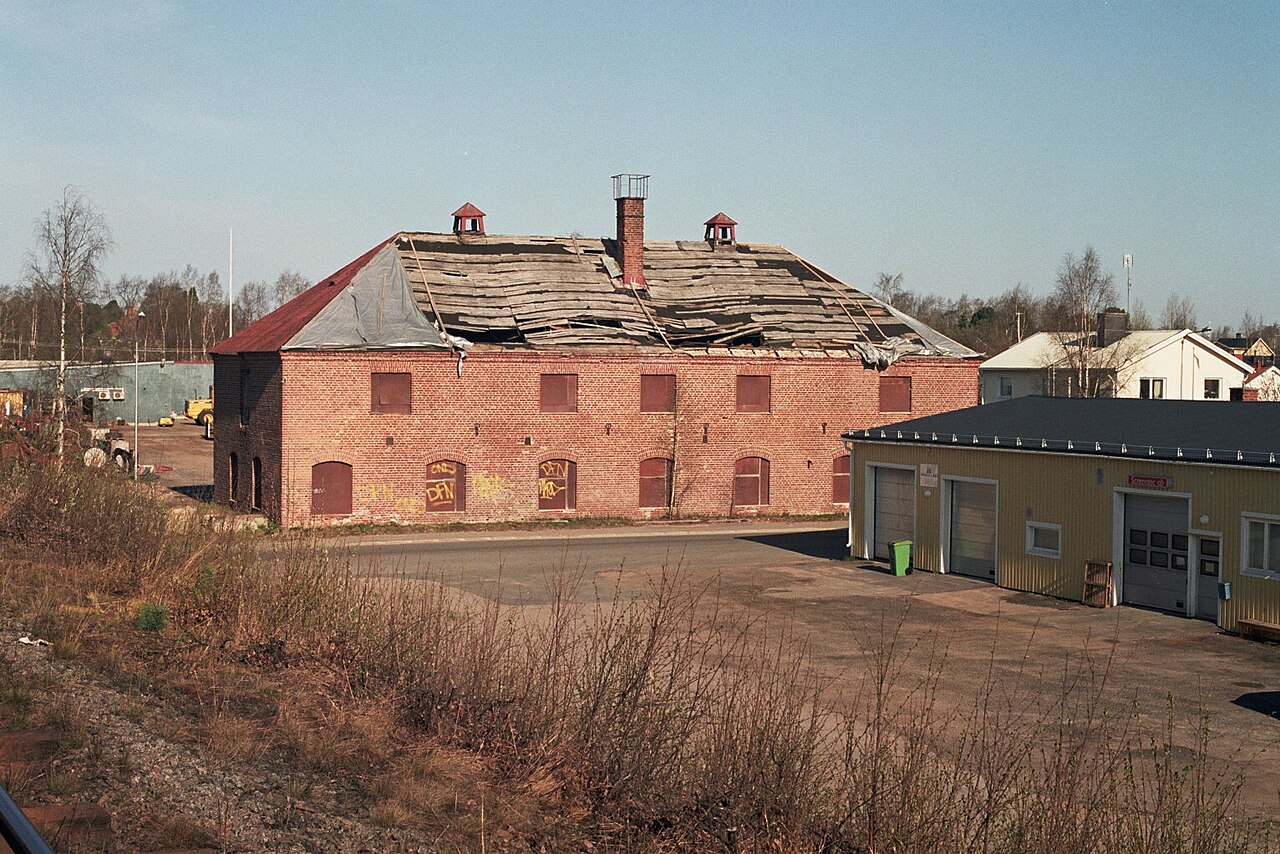
I’ve spent years restoring that house, and the humidity is the quiet villain behind most of what goes wrong with brick around Atlanta. Here’s what I learned watching my own walls and asking a lot of questions.
Why Georgia’s climate works against brick
Brick is porous. It drinks water, then it needs to dry. Around metro Atlanta we get heavy rain, long stretches of high humidity, and just enough winter cold to matter. Water soaks into the brick and mortar, and when a cold snap freezes that trapped moisture, it expands and pushes the brick face apart. That flaking and crumbling is called spalling, and while our winters are milder than the upper Midwest, we still get enough freeze-thaw cycles to do slow damage, especially on walls that stay damp because they never catch afternoon sun.
Humidity makes it worse by keeping everything wet longer. A wall in Wisconsin freezes hard and then dries out; a wall in Decatur can stay damp for days, and constant moisture is what feeds the two problems below.
The red clay problem underneath
Georgia’s famous red clay is expansive soil. It swells when it’s wet and shrinks when it’s dry, and it does this season after season. That movement travels up into foundations and brick walls as stair-step cracks through the mortar joints, usually near corners and windows. On my house the worst cracking followed a drought year, when the clay shrank away from the footing and a corner settled. Expansive clay is why so many older brick ranch and Craftsman homes here show cracking that has nothing to do with the quality of the brick; it’s the ground moving.
If you’re seeing new or widening cracks, that’s worth a professional look sooner rather than later. When I finally brought in an Atlanta masonry contractor to assess mine, the fix was as much about drainage and soil moisture as it was about the brick itself.
Efflorescence and biological staining
Two cosmetic-but-telling problems show up constantly on humid-climate brick. The first is efflorescence, the chalky white haze that appears when water moves through masonry and leaves salts on the surface. It’s a signal that water is getting in and out of the wall. The second is the green and black biological staining, meaning algae, mildew, and moss, that thrives on shaded, damp brick through our long warm season. I used to scrub the white haze off and assume I’d solved something. I hadn’t. It’s worth understanding the causes before you clean, which is why I dug into what causes efflorescence on brick and block and how to actually fix it.
What actually helps
The fixes that lasted for me were about water, not appearance. Keeping gutters clean and downspouts running well away from the wall did more than any product. Repointing failed joints with an appropriately soft mortar let the wall breathe instead of trapping moisture. I stayed away from film-forming “waterproof” paints and sealers, which can trap moisture behind the brick and speed up spalling; the Brick Industry Association’s technical resources on moisture and brick durability spell out why breathable is better. Expect real repair work here: repointing commonly runs $8 to $20 per square foot, and replacing spalled brick with matched units often adds $15 to $30 per brick. It isn’t cheap, but catching it early beats rebuilding a wall.
Frequently asked questions
Does humidity really make brick fail faster? Yes, indirectly. Humidity keeps brick and mortar damp longer, and moisture is what drives spalling, efflorescence, and biological staining. Brick that can dry out between rains lasts far longer than brick that stays wet in shade.
Is spalling brick on my Atlanta home an emergency? Usually not immediately, but it won’t stop on its own. Once the hard outer face flakes off, the softer interior absorbs even more water and deteriorates faster. Addressing drainage and repointing within a season or two is a reasonable timeline.
Should I seal my brick to protect it from Georgia weather? Be careful. Film-forming sealers can trap moisture and make spalling worse. If any sealer is used, it should be a breathable, vapor-permeable type, and fixing drainage and mortar usually matters more than any coating.