Category: Costs & Estimates

When Masonry Work Needs a Permit and Inspection

The fastest way to turn a good masonry job into an expensive headache is to skip the permit, and I have watched it happen more times than I would like. A homeowner saves a few hundred dollars and a couple of weeks, then goes to sell the house and the unpermitted retaining wall or the closed-in porch shows up on inspection, and now it costs far more to sort out than the permit ever would have. After a lifetime in this trade, my advice is simple: pull the permit when the work calls for one.
When Masonry Work Needs a Permit and Inspection
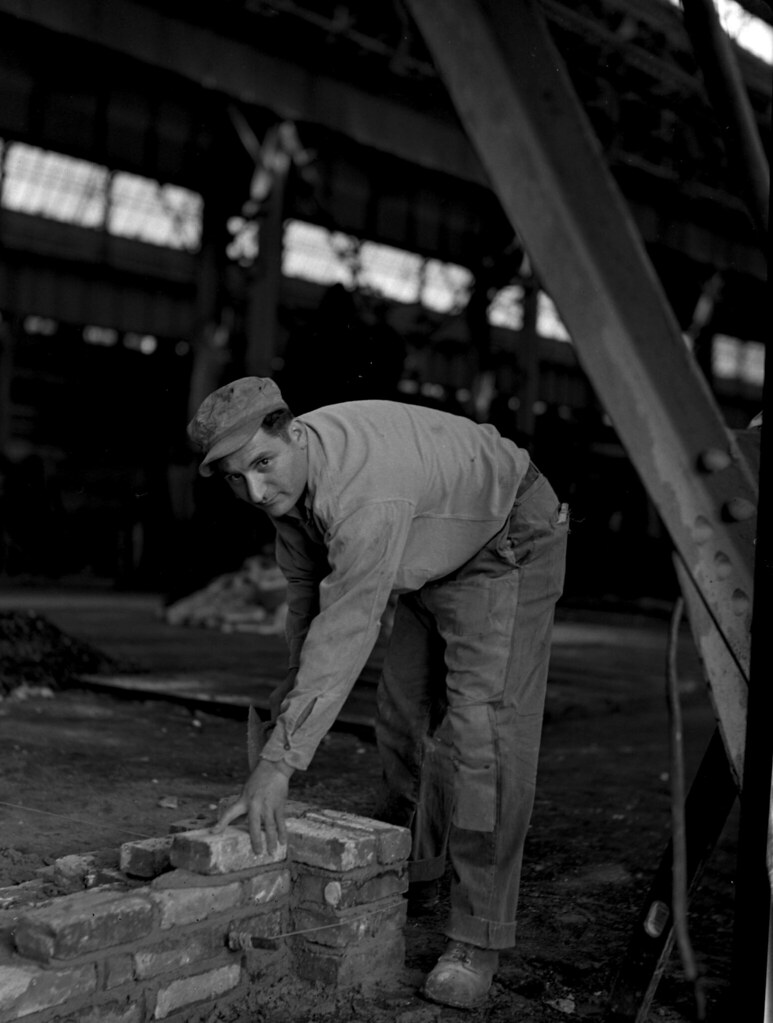
Photo: Kheel Center, Cornell University Library · BY 2.0

What usually needs a permit

Rules vary by jurisdiction, but masonry work commonly requires a permit when it is structural or affects safety:

  • Retaining walls over a set height (frequently four feet, sometimes lower)
  • Foundations, footings, and any structural repair
  • Chimneys and fireplaces
  • Steps and stoops that serve as egress
  • Anything that changes the structure or footprint of the house

Cosmetic and minor repair work, repointing a bit of wall, patching a step, resetting a few pavers, usually does not. When in doubt, a two-minute call to the building department settles it, and they would far rather answer that call than issue a stop-work order later.

Why inspections are on your side

Homeowners treat inspections as an obstacle. They are actually free quality control. An inspector checks the footing depth, the reinforcement, and the drainage, exactly the buried, invisible parts a cut-rate contractor is tempted to skimp on. I have seen inspections catch a shallow footing before a wall was backfilled, saving the owner a collapse down the road. The inspection protects you from your own contractor’s shortcuts.

Whose job is the permit

A reputable licensed contractor pulls the permits as a normal part of the job and expects the inspections. Be suspicious of any contractor who suggests skipping the permit to save you money or time, it usually means they are not licensed to pull one, or they do not want their work inspected. That reluctance is itself a red flag, and it ties directly into vetting a contractor properly, which I cover in getting accurate quotes from masonry contractors.

What it costs and what it saves

Permit fees for residential masonry work are typically modest, often somewhere from $50 to a few hundred dollars depending on the project and jurisdiction. Set that against the cost of tearing out unpermitted work, fines, or a blown home sale, and the permit is one of the cheapest forms of insurance you can buy. Permitting and inspection processes are built on the model codes coordinated by the International Code Council and administered locally. Pull the permit, let them inspect, and you own a house with paperwork that holds up.

What the inspection actually checks

Homeowners picture an inspector as a bureaucrat with a clipboard, but on masonry work the inspection lands right on the parts that matter most and that a cut-rate contractor is tempted to shortcut. For a footing or foundation, the inspector typically checks the excavation depth, the soil it bears on, and the reinforcing steel before any concrete is poured, which is exactly the moment a shallow footing or missing rebar would otherwise disappear forever. On a wall, they may verify the reinforcement, grouting, and connections. On a chimney or fireplace, clearances to combustibles and the flue are the focus, the things that prevent a house fire. The key is timing: many of these are staged inspections that happen before the work is covered up, so you cannot skip them and inspect later. That is precisely why they protect you, they force the invisible, buried quality to be verified while it is still visible. Far from being an obstacle, a passed inspection is documentation that the parts you will never see again were done right.

Frequently asked questions

Do I need a permit for masonry work? Usually for structural or safety-related work, retaining walls over a set height, foundations, chimneys, egress steps, and anything changing the structure. Minor cosmetic repairs like small repointing or resetting a few pavers typically do not. Check with your local building department when unsure.

What happens if I skip the permit? You risk fines and stop-work orders, and unpermitted work often surfaces during a home sale, where it can cost far more to legalize or tear out than the permit would have cost. Unpermitted structural work can also complicate insurance claims.

Should my contractor handle the permit? Yes. A licensed contractor normally pulls the permits and schedules inspections as part of the job. A contractor who wants to skip the permit is a red flag, it often means they cannot pull one or do not want their work inspected. The same expectation runs across trades — a Jacksonville concrete contractor pouring a structural slab pulls the permit and books the inspection as part of the job.

How to Get Masonry Quotes You Can Actually Compare

Three quotes for the same wall, thousands apart, and no way to tell which is right. The problem is almost never that one contractor is dishonest. It is that each of them was left to decide what the job consisted of, so three different jobs got priced, and the numbers were never comparable in the first place.

Write the scope before you make a call

The single change that makes bids comparable is deciding the scope yourself and handing the same document to everyone. It does not need technical language. Describe the area with rough dimensions, say what exists now and what should exist afterwards, note what is being removed and who disposes of it, state any material preference, and flag access constraints and anything that must be protected. Ask every contractor to price that document and to list anything they would add. Now the differences between bids are answers to the same question.

Vetting comes before pricing

Before I compare a single number, I confirm each contractor is licensed where the work requires it, carries liability coverage and workers’ compensation, and can show recent local work of the same type rather than of any type. An uninsured bid is not a cheaper bid, it is an uninsured one, and if someone is injured on the property or the work fails, the exposure lands on the owner. Guidance on vetting and hiring qualified masons is published by the Mason Contractors Association of America.

Insist on itemization

Ask for the price broken into demolition and disposal, excavation and base preparation, materials with specifications rather than categories, labor, equipment and access, and cleanup. Specifications are the part that matters: mortar type rather than the word mortar, base depth rather than the word base, and named products for drainage components. When a bid is itemized this way, comparison becomes mechanical, and the line causing the difference between two quotes usually identifies itself immediately.

The red flags that show up in the paperwork

A large deposit demanded before any material is ordered. A quote that will not itemize. Pressure to decide today, or a discount that expires. No written scope, only a total. A reluctance to provide an insurance certificate. Cash-only terms, or an offer to skip a permit as a favour, which usually means the permit could not be obtained. And a bid dramatically below the others, which is not generosity but a scope that has quietly lost the buried work.

What to ask while they are on site

The site visit is where the useful information is. Ask what the base will be and how deep, and why that depth for this soil. Ask where water will go. Ask who is actually on site each day and whether any of it is subcontracted. Ask how long the work will take and what happens if the ground turns out differently than expected. Ask what the warranty covers and for how long, in writing. A contractor who answers these specifically has thought about your job; one who answers in generalities is quoting from a template. It is also worth watching what they do rather than only what they say. Someone who walks the whole area, looks at where the downspouts discharge, probes the ground, and asks what the space is used for is gathering the information a real price depends on. Someone who paces the length, glances at the wall, and quotes from the driveway has priced an average job rather than yours, and averages are exactly what goes wrong once the excavation opens up.

Frequently asked questions

How many quotes are worth getting? Three is the usual answer and it works, provided all three price the same written scope. Ten quotes on an undefined job produce ten incomparable numbers and no more clarity than one.

Is a verbal quote ever acceptable? For a very small repair, perhaps. For anything structural or substantial, no. The written scope is what defines the work, and without it every disagreement later is a matter of recollection.

Should the lowest bid win? Not by default. The lowest bid usually wins by omitting something, often structural work that cannot be seen, such as footing depth or drainage. Compare itemized scopes, verify licensing and insurance, and buy the most complete work at a fair price. Coating quotes hide the same thing: an epoxy flooring installer in Las Vegas who omits surface prep will always look cheaper than one who priced the grinding.

Where Your Masonry Budget Actually Goes

Homeowners usually build a mental budget for masonry out of material prices, because those are the numbers that are easy to look up. A pallet of block has a price. A ton of stone has a price. Then the quote arrives at three times the arithmetic and the reaction is that someone is overcharging. Almost always, the gap is time.

Most of the number is time, not material

On a typical residential masonry job, labor is the larger half and often considerably more. Units get placed by hand, one at a time, to a line, level and plumb, and the rate that work proceeds at has not changed much in a century. Around the placing sits a great deal of work that produces nothing visible: setting up and moving scaffold, mixing batches, barrowing material to the work face, cutting units, protecting finished work overnight, and cleaning down at the end of each day. A crew day is the real unit of cost, and the quote is mostly a count of them.

What actually moves the price

Four things dominate. Access comes first, and it is the one homeowners consistently underestimate: a wall reachable by truck is a different job from the same wall at the bottom of a garden reached through a house. Height is second, because everything above about waist level needs scaffold and everything above a storey needs more of it. Demolition and disposal is third, since masonry debris is heavy and dump fees are charged by weight. Ground conditions are fourth, and they are the wildcard, because rock, poor bearing, buried services, or a water table that shows up in the excavation all change the work after the price was agreed.

Why the low bid is usually the expensive one

When one bid comes in far under the others, the money almost always came out of the part that will be buried. Footing depth, aggregate base thickness, compaction in lifts, drainage, and reinforcement are the standard candidates: they are invisible on completion, they are what the wall depends on, and leaving them out produces something that looks identical for the first two years. The rebuild that follows costs the original saving several times over, because it includes demolishing the first attempt.

Getting a number that means something

Ask for itemization and read the buried lines rather than the total. Where two quotes differ, identify the specific item that accounts for it and ask both contractors about that item. A contractor who can explain why the base is a given depth for this soil is quoting a designed job. Get the scope in writing with dimensions and specifications, tie payments to milestones instead of a large deposit, confirm insurance is current, and agree in advance how unforeseen ground conditions get priced, because that is the argument that otherwise happens mid-job.

Where you can save without buying a problem

There is genuine room to reduce cost, just not in the ground. Simplifying geometry helps most: curves, steps, corners, and level changes all add cutting and setting-out time. Choosing a standard unit over a premium one changes material cost without touching structure. Scheduling in the off-season sometimes improves the rate. Doing your own site clearance, demolition of non-structural elements, or landscaping afterwards genuinely removes hours from the bill. And combining jobs so one scaffold serves several tasks is often the largest single saving available on an elevation. If repointing, a chimney repair, and a window sill all need attention, doing them in one visit costs meaningfully less than three separate mobilisations, and the scaffold is usually the reason why.

Frequently asked questions

Why is labor such a large share? Because the work is manual and sequential, and the supporting activity around it is substantial. Material can be delivered in an hour; placing it correctly takes days, and no part of that has been automated on residential jobs.

Are cost-per-square-foot figures useful? Only as a rough sanity check. They ignore access, height, ground conditions, and demolition, which are exactly the variables that make two superficially similar jobs differ by a factor of two.

Does doing some work myself really help? It can, if the work is genuinely separable: clearing the site, removing a fence, handling disposal, or restoring the garden afterwards. Trying to share the skilled work usually costs more than it saves, because the crew ends up waiting or reworking.

What Every Line on a Masonry Quote Actually Means

A masonry quote is a description of work with a price attached to it. When two quotes for the same wall differ by thousands, the usual explanation is not that one contractor is greedy and the other generous. It is that they are describing two different jobs, and the description is buried in lines that read as boilerplate.

A quote is a scope, priced

A complete estimate identifies the work area and its dimensions, the demolition and disposal involved, the preparation and base work, the materials by specification rather than category, the labor, the equipment and access, the cleanup, and the terms covering payment and warranty. A single-line quote for a wall with a number after it is not a cheap quote, it is an undefined one, and every ambiguity in it will be resolved in the contractor’s favour later because nothing written says otherwise.

Where the labor number comes from

Labor is usually the largest share of a masonry job, frequently more than half. That surprises people looking at the price of block or brick and doing arithmetic. What they are not pricing is the unproductive time: setting up and striking scaffold, mixing, hauling material to the work face by hand because the truck cannot get close, cutting units, and cleaning down at the end of each day. A crew rate multiplied by realistic days is what most of the number is, and a bid that is far below the others has usually shortened the days rather than found a cheaper mason.

Material lines that hide the specification

The material lines are where the important omissions live. Mortar described only as mortar tells you nothing: type S and type N behave differently, and on older brick a lime-based mix is the correct answer and a cement-rich one causes damage. Aggregate base described without a depth is not a specification. Reinforcement, geogrid, drainage pipe, filter fabric, ties, flashing, and weeps are all items that a bid can quietly leave out, and all of them are invisible once the work is finished. When a quote lists a proprietary product by name and depth, that is a good sign about the contractor.

Access, disposal, and the costs nobody photographs

Demolition and haulage are real money on a masonry job, because the debris is dense and dump fees are charged by weight. Access is the other one: a wall reached only through a house, a narrow alley, or a back garden with steps changes the labor number substantially, and a contractor who has not walked the site has not priced it. Permit fees, protection of adjacent surfaces, and making good the landscaping afterwards belong in the quote too, and their absence is a conversation worth having before signing rather than after. Two more lines deserve a look for the same reason. Water and power on site sounds trivial until a contractor has to bring both, and unforeseen ground conditions need a stated mechanism, whether an hourly rate or an agreed process, because discovering rock or a buried drain halfway through is common enough that silence on it is not an oversight.

Comparing two bids that describe different jobs

Line them up item by item rather than comparing totals. Where one bid is lower, find which line accounts for the difference: it is nearly always base depth, drainage, or reinforcement. Then ask both contractors the same question about that line and see who is more specific. A payment schedule tied to milestones rather than a large deposit up front, a written warranty on workmanship, and evidence of current insurance are the other three things worth confirming before price enters the conversation at all.

Frequently asked questions

How much deposit is normal? Enough to cover material ordering, commonly a modest percentage, with the balance tied to progress milestones and a final payment on completion. A demand for most of the money before work starts is worth questioning.

Should quotes be itemized? Yes, and a contractor who declines to itemize is telling you something. Itemization is what makes two bids comparable and what stops a dispute later about whether something was included.

Why do quotes for the same wall vary so much? Usually scope. One bid includes excavation to a proper depth, drainage, and reinforcement, and another builds a facing on shallow fill. They look like the same wall on the day it is finished, and they behave very differently after five winters.

What Drives Masonry Costs in Washington DC

People in Georgetown are often shocked by their first masonry estimate. A homeowner on P Street once told me the number I gave for repointing her back wall was more than her cousin paid for a whole chimney out in Ohio. She wasn’t wrong. DC masonry costs more, and after years of doing stone and hardscape work in this city, I can tell you exactly where the money goes.

What Drives Masonry Costs in Washington DC
Photo: Tim Evanson · BY-SA 2.0

I build patios, garden walls, and stone veneer, so I’m usually the one carrying material through somebody’s narrow rowhouse to a courtyard the size of a parking space. That experience is half of why DC pricing looks the way it does. The other half is the rules. Let me break down the real cost drivers so the estimate makes sense instead of just stinging.

Historic review is the first line item nobody expects

Most of Georgetown sits inside a federal historic district, which means exterior masonry changes get reviewed before they happen. Repointing, replacing brick, rebuilding a stoop, even changing mortar color can trigger a look from the Old Georgetown Board, and permits still run through the city’s building department. The DC Department of Buildings lays out what needs a permit, and the historic review adds both fees and weeks to the calendar. That time is real money: the crew, the staging, and the scheduling all bend around an approval you can’t rush.

Access, party walls, and the city itself

A Georgetown rowhouse rarely has a side yard, so we’re not backing a truck up to the wall. Material gets carried through the house or craned over the roof, debris gets hauled back out the same way, and we’re often buying parking permits to stage in the street. Add tight alleys and coordination with the neighbors on shared party walls, and a job that would take three days in a suburban backyard takes a week here. Labor in the DC market is priced accordingly, and skilled masons who work on historic brick are not cheap or plentiful.

The right materials cost more than the wrong ones

Georgetown’s older brick is soft and was laid in lime mortar. You cannot repoint it with modern high-Portland mortar, because that mortar is harder than the brick and will spall the faces off as the wall expands and contracts through our freeze-thaw cycles. Doing it correctly means color-matched, lime-based mortar and sometimes salvaged brick to match the originals, both of which cost more than the bag mix at the big-box store. That’s why I always tell people to price the job with a DC mason who works on historic rowhouses, not a general contractor guessing at it. When you read the bid, it also helps to understand how a masonry estimate breaks down line by line so you can see what you’re actually paying for.

Ballpark numbers for DC

Hand-repointing historic brick in the District commonly runs $12 to $30 per square foot, well above the national average, mostly because of access and the mortar work. A full chimney rebuild lands around $4,000 to $12,000. A stoop repair or partial rebuild is often $1,500 to $6,000. Permit and historic-review fees are on top, and the review timeline can add a month or more. These are planning ranges; the specific wall, the access, and the approval path move the final number more than anything on a spec sheet.

Where you should not cut costs

The tempting savings, skipping the permit, using hard mortar, hiring the cheapest crew, are exactly the ones that cost the most later. Hard mortar on soft brick can ruin a facade in a decade. Unpermitted historic work can force a tear-out. I’d rather see someone phase the project over two seasons than do the whole thing wrong once.

Frequently asked questions

Why is DC masonry more expensive than the suburbs? Three reasons stack up: historic review adds time and fees, rowhouse access makes every task slower, and soft historic brick requires more expensive lime-based mortar and skilled labor. Together they can push a DC job well above a comparable suburban one.

Do I really need a permit to repoint my own wall? In a historic district like Georgetown, exterior masonry work usually does require a permit and historic review, even for repointing. Check with the DC Department of Buildings before you start; unpermitted work can be ordered undone.

Can I lower the cost by using regular mortar? No, and please don’t. Modern Portland-heavy mortar is harder than old brick and will spall the faces over a few freeze-thaw seasons. The correct lime-based mortar costs a little more up front and saves the wall.

Which Masonry Jobs Are Safe to DIY (and Which Need a Pro)

The usual way to sort masonry work into do-it-yourself and hire-it-out is by difficulty, and it is the wrong axis. Some genuinely fiddly jobs are fine to attempt, because a poor result is visible immediately and costs an afternoon to redo. Some easy-looking jobs are not, because the mistake hides for two years and then takes a wall with it. Reversibility is the line worth drawing.

Ask whether a mistake would be reversible

Set a few pavers badly and you lift them and reset them. Point a joint badly and you rake it out and try again, at the cost of your Saturday. But pour a footing at the wrong depth, backfill a wall without drainage, or repoint a soft historic brick with hard modern mortar, and nothing about the failure is visible until it is expensive. The buried, structural, and chemically irreversible jobs are the ones to hand over, regardless of how straightforward the videos make them look.

Work where a careful beginner does fine

There is real, satisfying work in this category. Resetting a handful of sunken pavers, topping up joint sand and recompacting it, cleaning masonry with water and a soft brush, building a low garden wall out of dry-stacked block on a proper compacted base, and repointing a small area of a non-structural garden wall are all reasonable projects. What they share is that the wall is not holding anything up, the failure mode is cosmetic, and you can undo the work with hand tools.

The jobs that need a pro, and the reason why

Anything carrying building load is the obvious one: foundation repair, underpinning, piers, or removing part of a load-bearing wall. Chimneys are second, because the failure mode involves combustion gases and the structure sits three storeys up. Retaining walls above the local height threshold need engineering and the drainage detail that comes with it. And repointing an older house is on this list for a reason that surprises people: it is not hard to do, it is hard to do without damaging the brick, because the mortar has to be softer than the units it sits between. Portland-rich mortar in a nineteenth-century wall traps moisture and spalls the brick faces, and the damage is permanent.

What the tools actually add up to

The savings math is usually built on labor alone, which is where it goes wrong. A mixer, a plate compactor, a wet saw with the right blade, a demolition hammer, scaffolding, and hauling for the debris are all rentals, and several days of rentals plus dump fees plus material you cut wrong closes most of the gap on a mid-size job. It closes all of it if the work has to be redone. The jobs where doing it yourself genuinely saves money are the small ones with hand tools, which is the same category as the reversible ones.

Mixing is the skill nobody expects

If you do take something on, the part to respect is the material. Mortar and concrete are chemistry with a clock: a batch that is too wet loses strength permanently, a batch left too long is finished whatever you do to it, and a joint filled against a dusty or dry surface will not bond no matter how good it looks. Mix small batches, keep the water consistent between them, wet absorbent brick before pointing, and protect fresh work from sun, wind, and frost. Half of the amateur masonry I get called to repair was competent workmanship on top of a bad mix.

Frequently asked questions

Can I repoint my own brick? On a small non-structural area, with the right mortar, yes. The critical part is matching the existing mortar in strength and composition rather than buying a general-purpose bag. On an older house, the wrong mix does permanent damage to the brick, so it is worth confirming what is up there first.

Is laying a patio a realistic weekend project? The laying is the easy part. The base is the job: excavation, a compacted aggregate depth suited to the use, and slope for drainage. Most failed DIY patios failed in the base, and no amount of care with the pavers on top compensates for it.

How do I know a job is beyond me? Ask what happens if it is wrong. If the answer is that it looks bad and you redo it, attempt it. If the answer involves something settling, leaking, falling, or venting into the house, that is the point to bring someone in.