The usual way to sort masonry work into do-it-yourself and hire-it-out is by difficulty, and it is the wrong axis. Some genuinely fiddly jobs are fine to attempt, because a poor result is visible immediately and costs an afternoon to redo. Some easy-looking jobs are not, because the mistake hides for two years and then takes a wall with it. Reversibility is the line worth drawing.
Ask whether a mistake would be reversible
Set a few pavers badly and you lift them and reset them. Point a joint badly and you rake it out and try again, at the cost of your Saturday. But pour a footing at the wrong depth, backfill a wall without drainage, or repoint a soft historic brick with hard modern mortar, and nothing about the failure is visible until it is expensive. The buried, structural, and chemically irreversible jobs are the ones to hand over, regardless of how straightforward the videos make them look.
Work where a careful beginner does fine
There is real, satisfying work in this category. Resetting a handful of sunken pavers, topping up joint sand and recompacting it, cleaning masonry with water and a soft brush, building a low garden wall out of dry-stacked block on a proper compacted base, and repointing a small area of a non-structural garden wall are all reasonable projects. What they share is that the wall is not holding anything up, the failure mode is cosmetic, and you can undo the work with hand tools.
The jobs that need a pro, and the reason why
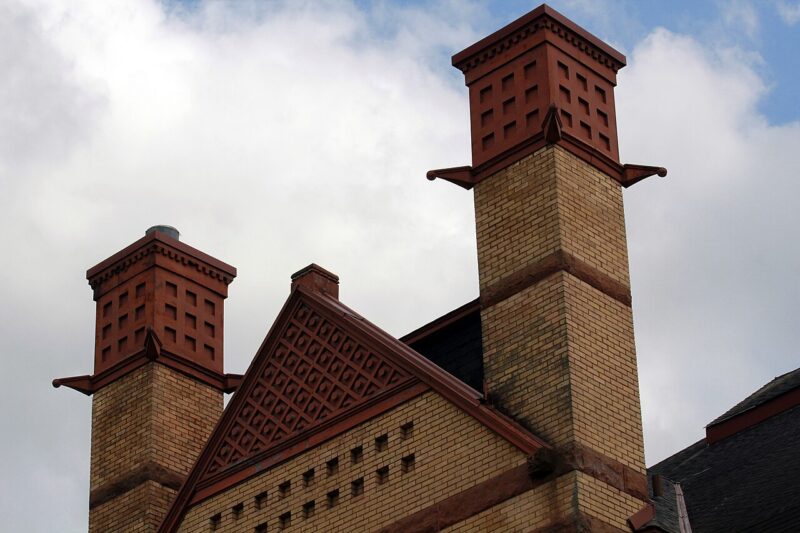
Anything carrying building load is the obvious one: foundation repair, underpinning, piers, or removing part of a load-bearing wall. Chimneys are second, because the failure mode involves combustion gases and the structure sits three storeys up. Retaining walls above the local height threshold need engineering and the drainage detail that comes with it. And repointing an older house is on this list for a reason that surprises people: it is not hard to do, it is hard to do without damaging the brick, because the mortar has to be softer than the units it sits between. Portland-rich mortar in a nineteenth-century wall traps moisture and spalls the brick faces, and the damage is permanent.
What the tools actually add up to
The savings math is usually built on labor alone, which is where it goes wrong. A mixer, a plate compactor, a wet saw with the right blade, a demolition hammer, scaffolding, and hauling for the debris are all rentals, and several days of rentals plus dump fees plus material you cut wrong closes most of the gap on a mid-size job. It closes all of it if the work has to be redone. The jobs where doing it yourself genuinely saves money are the small ones with hand tools, which is the same category as the reversible ones.
Mixing is the skill nobody expects
If you do take something on, the part to respect is the material. Mortar and concrete are chemistry with a clock: a batch that is too wet loses strength permanently, a batch left too long is finished whatever you do to it, and a joint filled against a dusty or dry surface will not bond no matter how good it looks. Mix small batches, keep the water consistent between them, wet absorbent brick before pointing, and protect fresh work from sun, wind, and frost. Half of the amateur masonry I get called to repair was competent workmanship on top of a bad mix.
Frequently asked questions
Can I repoint my own brick? On a small non-structural area, with the right mortar, yes. The critical part is matching the existing mortar in strength and composition rather than buying a general-purpose bag. On an older house, the wrong mix does permanent damage to the brick, so it is worth confirming what is up there first.
Is laying a patio a realistic weekend project? The laying is the easy part. The base is the job: excavation, a compacted aggregate depth suited to the use, and slope for drainage. Most failed DIY patios failed in the base, and no amount of care with the pavers on top compensates for it.
How do I know a job is beyond me? Ask what happens if it is wrong. If the answer is that it looks bad and you redo it, attempt it. If the answer involves something settling, leaking, falling, or venting into the house, that is the point to bring someone in.