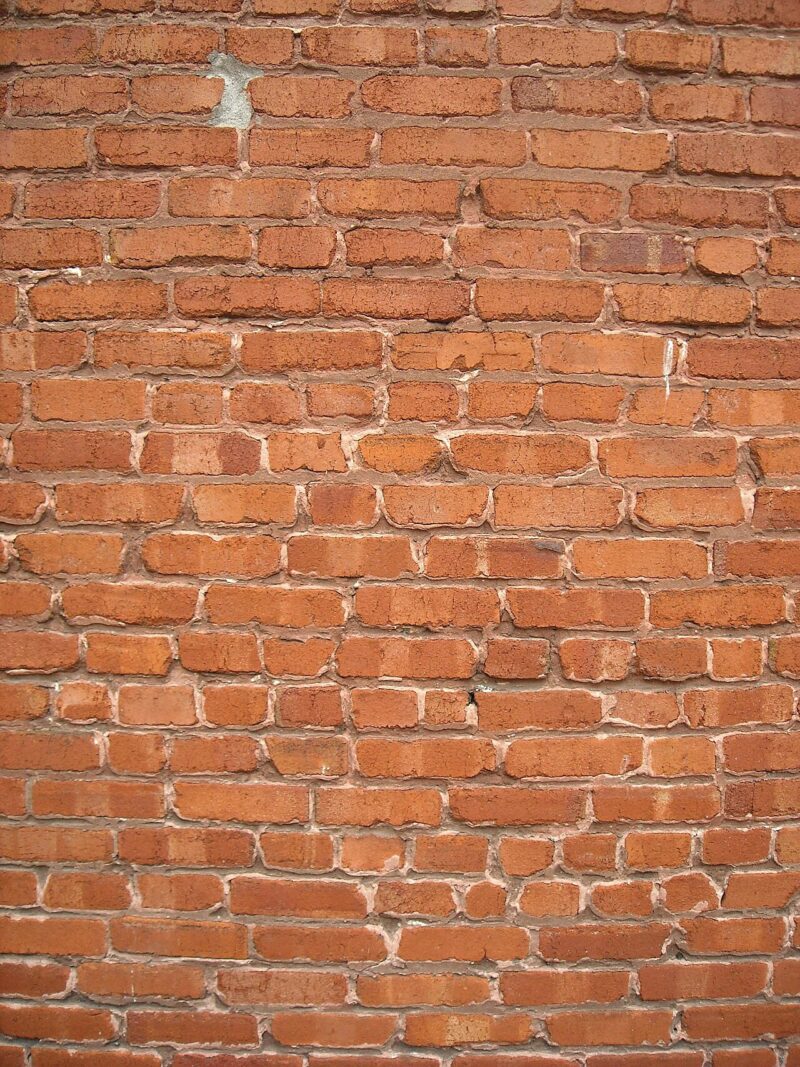
Newcomers to Tucson think the desert is hard on masonry because of the heat. The heat is steady and manageable. It is the monsoon, those violent summer storms that dump a month of rain in an afternoon, that does the real damage, especially to the historic adobe and old masonry in neighborhoods like Barrio Viejo. Nine or ten months of bone-dry conditions followed by sudden torrential water is a brutal cycle, and masonry that is not detailed for it takes a beating every summer.
Why the monsoon is so hard on desert masonry
The problem is the whiplash. Adobe, burnt adobe, and older masonry sit dry for most of the year, then get saturated fast during monsoon season. Materials that have been baking suddenly absorb water they cannot shed quickly, and a few things go wrong at once:
- Erosion, heavy runoff physically washes at unprotected adobe and soft mortar
- Saturation and slumping, traditional earthen masonry loses strength when it gets truly wet
- Basal erosion, water splashing and pooling at the base of a wall eats it from the bottom up
- Rapid drying afterward, which can crack material that swelled while wet
Prevention: keep the water off and moving
Protecting desert masonry is mostly about water management, the same principle as anywhere, just concentrated into a few intense storms:
- Roof overhangs and good drainage to throw water clear of walls, the traditional desert architecture did this for a reason
- Grading away from the base so storm runoff does not pool against walls and cause basal erosion
- Sound protective finishes on adobe, maintained lime plaster or appropriate coatings, kept in repair before the season
- Clear drainage paths and scuppers so roofs and courtyards shed the sudden volume
Choosing materials that tolerate the wet-dry swing in the first place is half the battle, which I get into in choosing stone that handles extreme desert heat.
Repairing monsoon damage
After the season, inspect for eroded mortar, softened or slumped adobe, cracks from the wet-dry cycle, and damage at the base of walls. Repairs to traditional earthen masonry are specialized, matching original materials matters as much as it does on any historic wall, and lime-based, breathable finishes are the norm rather than hard modern coatings that trap moisture. The City of Tucson provides guidance on historic properties and permitting through the City of Tucson. Timing also matters: do masonry repairs in the dry season so the work can cure properly, not in the middle of monsoon humidity, the curing principle I cover in how weather affects a masonry pour.
Why the desert’s dry months set up the damage
The counterintuitive part of monsoon damage is that a lot of it is set up during the dry season, months before the first storm. Through the long arid stretch, adobe and older mortar dry out and shrink, and fine cracks open in protective plasters and coatings, cracks you would never notice because there is no water to reveal them. Then the first monsoon downpour arrives and drives water straight into those openings, where it does far more harm than it would to a wall that had been kept intact. This is why the smartest desert maintenance happens in late spring, before the season: walk the walls, look for hairline cracks in the plaster and eroded spots in the mortar, and close them while everything is dry and repairs can cure properly in the heat. Clear the roof drains and scuppers too, since they have sat unused and full of dust and debris. A couple of hours of pre-season patching keeps the July storms out of the wall, whereas the same cracks left open turn one bad afternoon into a repair bill. In the desert, you prepare for the wet season during the dry one.
Frequently asked questions
Why does monsoon rain damage desert masonry so badly? Because of the wet-dry whiplash. Adobe and older masonry stay bone-dry for most of the year, then saturate fast during intense storms, causing erosion, loss of strength, and basal erosion at the base of walls. Materials not detailed to shed that sudden water take damage every season.
How do I protect adobe and desert masonry from monsoon storms? Manage the water: roof overhangs and drainage that throw water clear of walls, grading that keeps runoff from pooling at the base, and sound, maintained breathable finishes on adobe. Clear drainage paths before the season so roofs and courtyards can shed the sudden volume.
When should I repair monsoon damage to masonry? In the dry season, so repairs can cure properly rather than in monsoon humidity. Inspect after the season for eroded mortar, softened adobe, and base damage, and use matched, breathable lime-based materials on traditional earthen masonry rather than hard modern coatings.