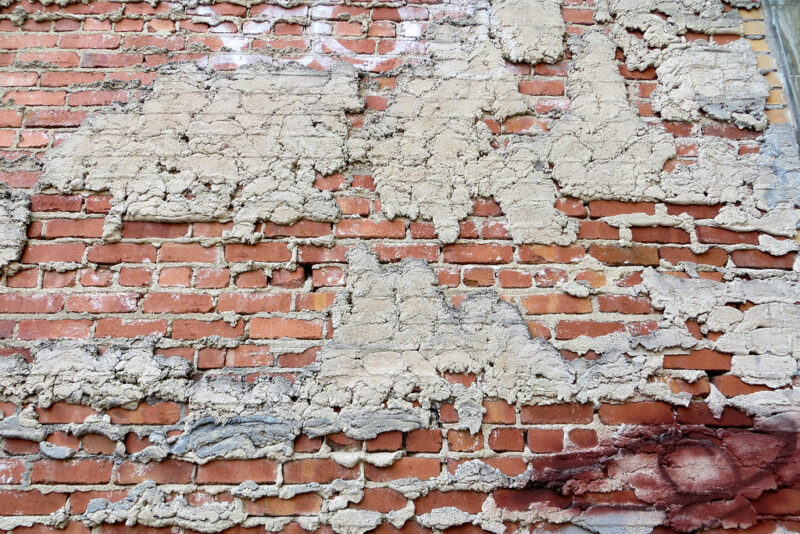
The first time I inspected a Society Hill townhouse, the owner proudly told me they had the front cleaned with a pressure washer the summer before. I could see exactly where the wand had been: the soft 18th-century brick had a faint corduroy pattern of erosion, and the fired skin that protects the brick was gone in patches. Philadelphia has some of the oldest brick housing stock in the country, and cleaning it wrong does damage you cannot undo. Restoration here is a specialty, not a weekend job.
Why old Philadelphia brick is so unforgiving
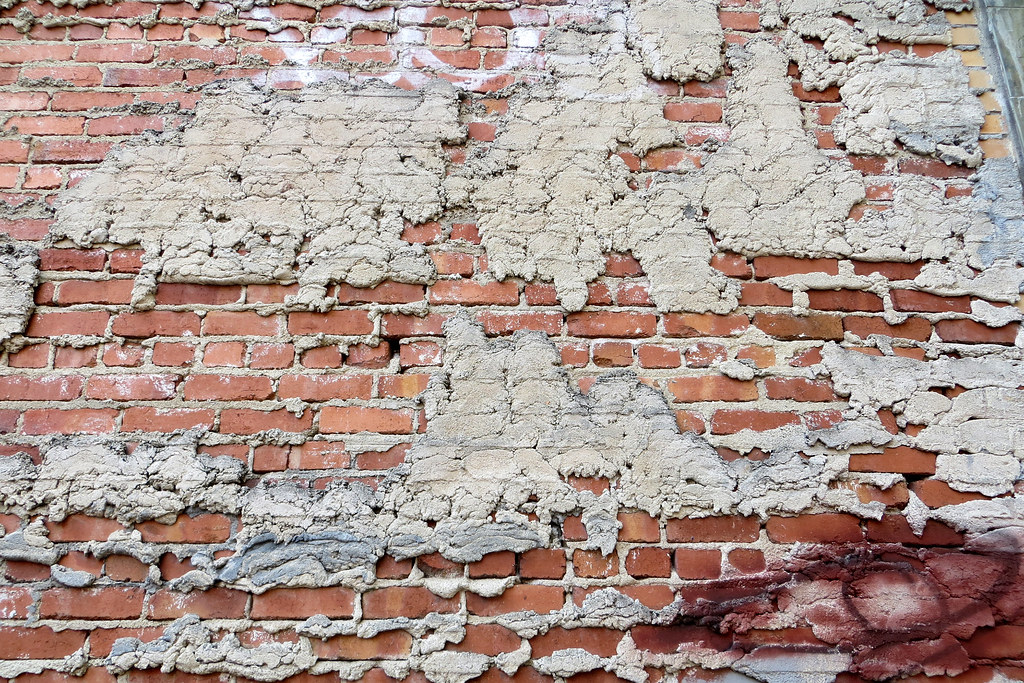
Brick made before the 20th century was fired in less consistent kilns at lower temperatures. The result is a brick with a hard outer skin and a much softer body. That skin is everything. Once you blast, grind, or acid-burn it off, the exposed body soaks up water and starts to erode and spall, especially through Philadelphia’s freeze-thaw winters. Society Hill, Old City, and the older stretches of South Philadelphia are full of homes where a single aggressive cleaning in the 1980s is still causing decay today.
The right way to clean historic brick
Preservation practice follows a simple principle: use the gentlest method that works. That means starting with plain water and soft brushes, stepping up to specialized low-pressure systems and masonry-safe detergents only as needed, and testing every method on a hidden patch first. The National Park Service lays this out in its widely used guidance on cleaning historic masonry through the Preservation Briefs, and any serious restoration mason in the city will know it cold. The methods that are explicitly discouraged, high-pressure blasting, sandblasting, and harsh acids, are exactly the ones cheap operators reach for because they are fast.
Cleaning is only half of restoration
On most historic Philadelphia rowhomes, the brick and the mortar need attention together. Decades of grime usually sit alongside failed joints, and repointing old brick requires a soft lime-based mortar that matches the original, not the hard modern Portland mix that cracks the surrounding brick. When you are choosing someone for this work, look specifically for a restoration background rather than a general mason; hiring a Philadelphia restoration mason who has worked on protected historic facades is the difference between a house that looks right for another century and one that has to be patched again in five years. The gentle-cleaning mindset carries straight over to maintenance, which I cover in cleaning brick without damaging the mortar.
What restoration costs and what to watch for
Gentle cleaning of a rowhome facade typically runs $8 to $20 per square foot depending on the condition and the method, and full restoration that includes repointing and spot brick replacement can push well beyond that on a historic property. It is more than a pressure-wash quote, and it should be. In many Philadelphia historic districts, exterior work also needs Historical Commission review, so confirm approvals before anyone touches the wall. The expensive mistake is not the restoration; it is the cheap cleaning that forces a restoration a few years early.
Why the cheap cleaning costs the most
The pattern I see over and over in these old neighborhoods is a homeowner who saved money on a cleaning and paid for it twice. A pressure-wash or acid clean is fast and cheap because it is aggressive, and aggressive is exactly what soft historic brick cannot take. The fired skin comes off, the exposed body starts drinking water, and within a few winters the same facade needs real restoration, replacing spalled brick, repointing with matched mortar, work that costs many times what a gentle cleaning would have. So the true price of the bargain job is the restoration it forces early, plus the loss of original brick that can never be perfectly matched. On a century-old Philadelphia rowhome, the gentlest effective method is not just the safest choice, it is the cheapest one measured over the life of the wall. Spend a little more up front on the right approach and you spend far less over the decades you own the house.
Frequently asked questions
Can I pressure wash my historic brick house? No, not with standard high pressure. It strips the hard fired skin off soft older brick and accelerates erosion and spalling. Historic brick should be cleaned with the gentlest effective method, usually low pressure, water, and soft brushing, tested on a hidden area first.
Do I need approval to clean or restore a facade in a Philadelphia historic district? Often yes. Exterior work on properties in designated historic districts typically requires Historical Commission review before you start. Check with the city and your contractor before any cleaning, repointing, or brick replacement begins.
Why can’t I use regular mortar to repoint old brick? Old soft brick needs a soft lime-based mortar. Hard modern Portland-cement mortar does not flex with the brick and forces moisture and stress into the brick face instead of the joint, causing the brick to crack and spall. Matching the original mortar is essential on historic work.